Superform has closed a $4.7 million token sale, marking a notable moment in the race to make decentralized finance easier for everyday users. The raise comes as DeFi platforms increasingly compete to simplify yield generation without removing user control.
At a time when many retail investors feel priced out or confused by complex DeFi tools, Superform’s latest move suggests demand is shifting toward clarity, automation, and safety. With strong early usage numbers and a clear roadmap, the project is positioning itself for a larger role in the next phase of DeFi adoption.
A Token Sale That Reflects Changing Retail Demand
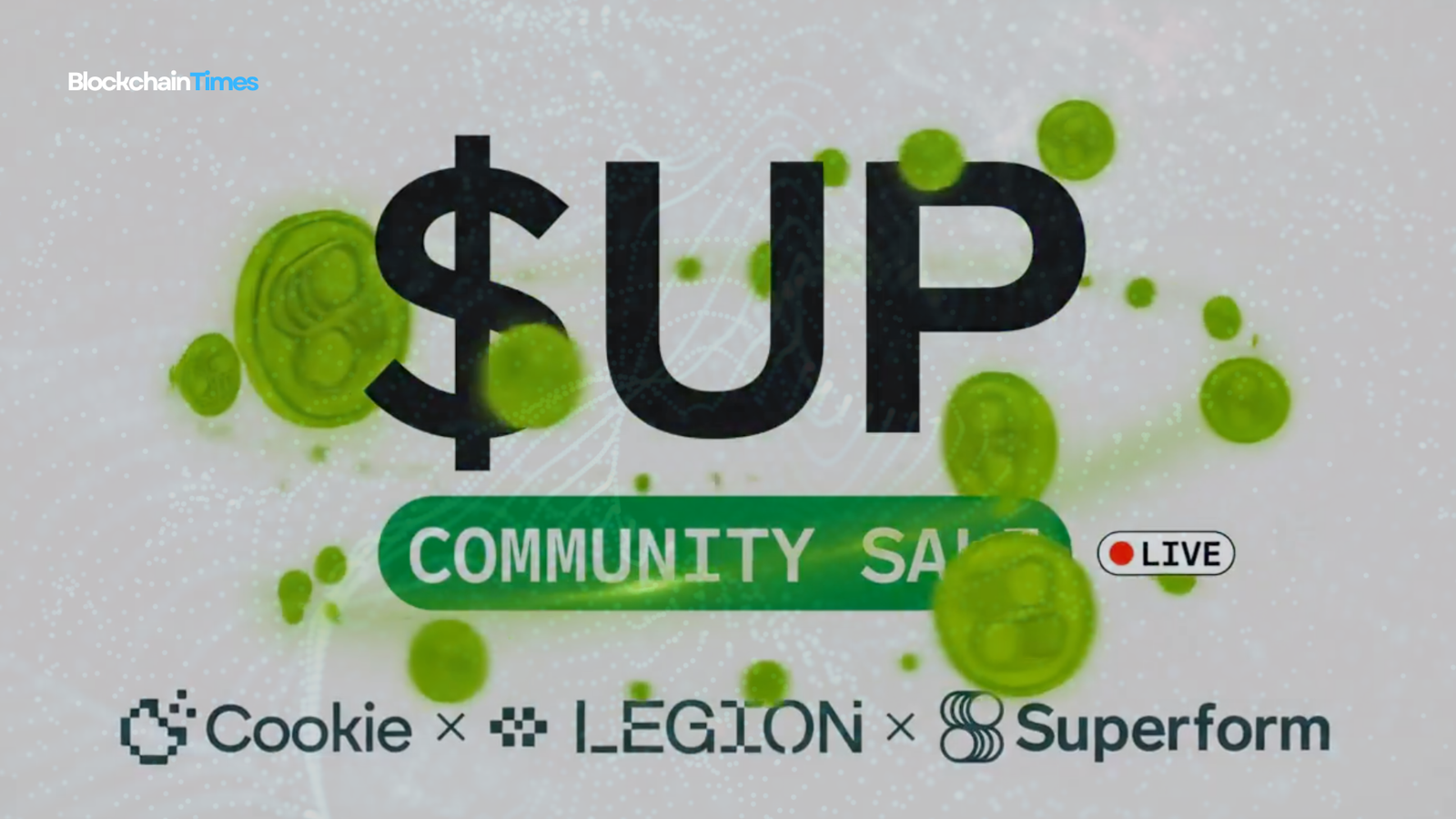
The $4.7 million token sale was completed on Cookie and adds to Superform’s growing funding base. The platform now reports 180,000 active users, along with $1.5 million in pre-deposits made before its mainnet launch.
These figures show that retail users are not avoiding DeFi because of low interest. Instead, many have been waiting for tools that remove friction and reduce the need for constant management. Superform’s model, which allows users to deposit once and let the protocol handle allocation, directly targets this gap.
For the broader market, this signals a shift. Capital is moving toward platforms that focus on usability rather than complexity, even when offering advanced yield strategies under the hood.
How SuperVaults v2 Works for Everyday Users
Superform is launching SuperVaults v2, a system designed to deliver more than 20 percent APY through fully onchain and automated strategies. While the mechanics behind the scenes are complex, the user experience is intentionally simple.
Users deposit assets into self-custodial vaults, keeping control of their funds at all times. From there, Superform routes capital across protocols and chains, aiming to optimize returns without requiring manual action.
Key features include:
- Automated allocation across lending markets
- Exposure to both variable and fixed rates
- Continuous rebalancing without user input
This structure removes many of the barriers that have kept retail users on centralized platforms, while still preserving the transparency and control that DeFi promises.
Benefits of Partnerships and Protocol Integration
One of Superform’s biggest strengths lies in how it combines multiple established DeFi protocols into a single product. SuperVaults v2 integrates lending platforms such as Morpho, Euler, and Aave, alongside fixed-rate exposure through Pendle PTs.
For users, this means access to institutional-style strategies without needing deep technical knowledge. Instead of choosing protocols, managing risk, or tracking rates, the system does that automatically.
These integrations also benefit the wider ecosystem. By directing retail liquidity into proven protocols, Superform helps deepen markets and improve capital efficiency. Over time, this kind of aggregation could strengthen partnerships across DeFi and reduce fragmentation.
Security, Trust, and the Push Toward Stability
Security remains one of the biggest concerns for retail DeFi users. Superform has addressed this by having SuperVaults audited by yAudit and reviewed by independent researchers from Spearbit.
This level of scrutiny provides reassurance at a time when trust is fragile. For many users, strong audits are not just a technical detail but a deciding factor in whether they participate at all.
In the long run, platforms that invest heavily in security are more likely to attract sustained capital. This raises standards across the market and pressures competitors to follow suit.
What This Means for the Future DeFi Market
Superform plans to use the newly raised capital to fund a roadmap aimed at creating the first user-owned stablecoin neobank. The goal is a consumer-grade onchain savings experience that feels familiar while remaining decentralized.
If successful, this approach could reshape expectations for DeFi products. Instead of targeting only advanced users, platforms may increasingly design for mass adoption.
For the future market, the implications are clear. Yield will remain a key draw, but simplicity, transparency, and safety will decide which platforms survive. As more retail users enter through tools like Superform, DeFi could move closer to mainstream financial relevance rather than remaining a niche system.